

Dental Treatment Cost in Karad: RCT, Implants, Clear Aligners & What to Expect
What Dental Problem Are You Trying to Solve?
You do not need to know the name of the dental treatment before seeing a dentist. Toothache, sensitivity, a broken tooth, swelling, bleeding gums, missing teeth and crooked teeth can have different causes and different treatment options. The first step is diagnosis; treatment should follow the diagnosis.
Before Choosing a Dental Treatment
A useful treatment discussion should cover what is wrong, what can be done, what alternatives exist, how many visits may be needed, expected recovery, approximate cost, risks and limitations, and what happens if the first option does not work.
Common Questions Patients Ask
Does a Root Canal Hurt?
Modern local anaesthesia is used to make root canal treatment comfortable during the procedure. Some tenderness can occur afterwards. Severe, increasing or persistent pain should be reviewed rather than assumed to be normal.
How Much Does Root Canal Treatment Cost in Karad?
At Shah’s Dental Clinic, the indicative root canal treatment range is ₹8,000–₹12,000. The final fee can vary with the tooth involved, complexity, retreatment requirements and the restoration needed after the root canal.
How Much Does a Dental Implant Cost in Karad?
At Shah’s Dental Clinic, an indicative dental implant treatment range is ₹25,000–₹45,000. The final treatment cost depends on the clinical situation, implant system, surgical requirements and the restoration used.
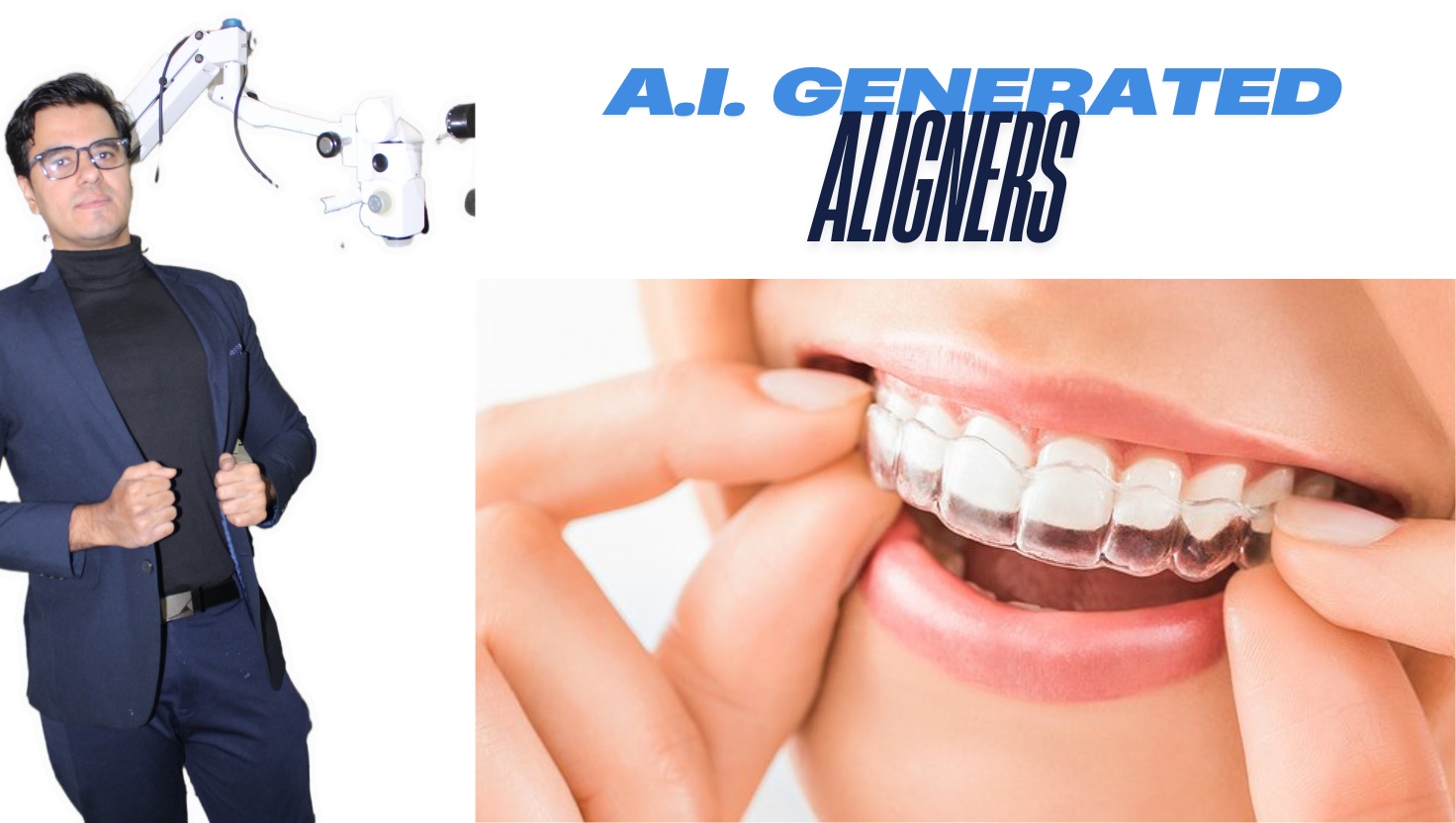
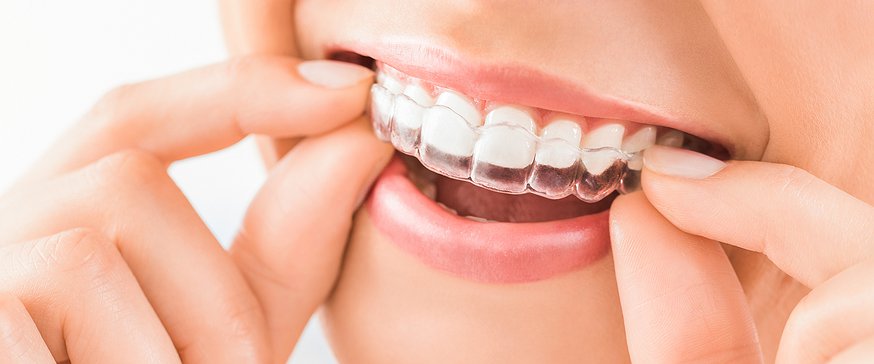
How Much Do Clear Aligners Cost in Karad?
Clear aligner treatment typically ranges from ₹40,000–₹1,50,000. A typical case may require approximately 20–30 aligners, with the cost per aligner varying according to treatment complexity and the amount of tooth movement required.
Root Canal or Extraction: Which Is Better?
Neither option is automatically better for every tooth. If a tooth has a reasonable prognosis and can be predictably restored, preserving it may be considered. Extraction can be appropriate when a tooth cannot be predictably saved. The decision should be based on diagnosis, restorability, periodontal support, fracture status and the patient’s circumstances.
Implant or Bridge: Which Should I Choose?
Both can replace a missing tooth. An implant can avoid preparing adjacent teeth, but it requires surgery and adequate conditions for implant placement. A bridge can be a non-surgical alternative but normally involves preparing supporting teeth. Cost, bone, adjacent teeth, timing and patient preference all matter.
Clear Aligners or Braces?
Clear aligners and fixed braces can both move teeth, but they have different indications, limitations, treatment routines and aesthetics. The appropriate choice depends on the movements required, bite, compliance and overall orthodontic diagnosis.
What Happens at the First Dental Visit
Medical and dental history is reviewed.
The teeth, gums and bite are examined.
X-rays or other investigations are recommended when clinically necessary.
The diagnosis and treatment options are explained.
Expected visits, approximate cost, risks and alternatives can be discussed before treatment begins.
Dental Emergencies: When Should You Seek Urgent Care?
Severe dental pain, facial swelling, dental trauma, uncontrolled bleeding or a knocked-out permanent tooth can require urgent assessment. Difficulty breathing or swallowing, rapidly spreading swelling or other signs of airway compromise require emergency medical care rather than waiting for a routine dental appointment.
After Treatment: What Is Normal and What Is Not?
Mild soreness can occur after many dental procedures. Follow the specific aftercare instructions provided for your treatment. Increasing swelling, severe or worsening pain, persistent bleeding, fever or other unexpected symptoms should prompt contact with the treating dentist.
Real Dental Cases
The most useful way to understand complex treatment is to see actual cases. Our case library explains the diagnosis, findings, treatment options considered, treatment performed and outcome rather than relying only on general claims about expertise.
A Practical Rule
Do not choose a dental treatment based on price alone. Compare diagnosis, treatment plan, materials or systems where relevant, expected longevity, maintenance, alternatives, risks and the clinician’s experience with the particular procedure.
Useful Treatment Guides
For service-specific information, use the dedicated treatment pages for microscopic root canal treatment, dental implants and clear aligners. Those pages contain more detailed information about the respective procedures and are the appropriate resources for treatment-specific searches.

